



RODENT POISON

IS WILDLIFE POISON

Rat or mouse eats rodenticide

Rodent becomes lethargic or dies, but poison stays
in body

Predator feeds on poisoned rodent

Predator becomes sick or dies
A DEADLY CHAIN OF EVENTS
Owls, foxes, and other predator species keep ecosystems in balance. But when they eat poisoned rodents, predators become sick and often die. Second-generation anticoagulant rodenticides (SGARs) are the culprit, poisoning thousands of these animals in New Hampshire each year.

Countless Victims
Wildlife rehabilitators take in poisoned animals all the time, and most of these animals die. Those who get released are often poisoned again.
Tragically, these visible cases are just the tip of the iceberg — untold numbers of wild animals die silently in the woods, unseen and uncounted.


How did we get here?
Laws now prohibit retail sales of SGARs, but licensed pest control companies can still use them.
Refilling bait stations is a lucrative, never-ending business — for pest control companies and poison manufacturers like Bell Labs.
Businesses, municipalities, and homeowners can pay hundreds of dollars a month for rodent control, with contracts that never end.
Rodenticide is everywhere
Once you start looking, you’ll see it everywhere — hidden in black boxes and fake rocks that are continually refilled.


SAFE RODENT CONTROL
Fix the root problem and stop paying for poison

Step 1
Keep ‘Em Out
-
Seal cracks in walls, roofs, and around pipes.
-
Plug holes with copper mesh or steel wool.
-
Cut foliage away from the house.

Step 2
Cut Off Food
-
Keep trash sealed.
-
Store pet food securely.
-
Clean up bird seed.
-
Pick up dog poop – it attracts rodents!

Step 3
Let Nature Help
Invite owls, hawks, and other natural rodent controllers by installing owl nesting boxes or perches.

Step 4
Limit Numbers
-
Try repellents such as Mouse Magic or Nature’s Defense.
-
Use single or multi-animal live traps.
-
Keep the population small by using fertility control, such as Evolve or ContraPest.

Step 5
No Glue Traps!
Glue traps are so cruel they’re banned in many countries! Trapped animals can suffer for days — some even chew off limbs trying to escape.
Step 6
Call an Expert
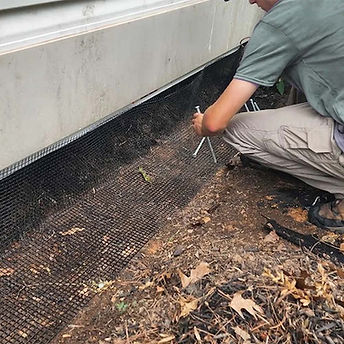
Don’t have time to handle it yourself? Call a wildlife control professional who uses humane methods and never poison.
See our list of Poison Free Pros